
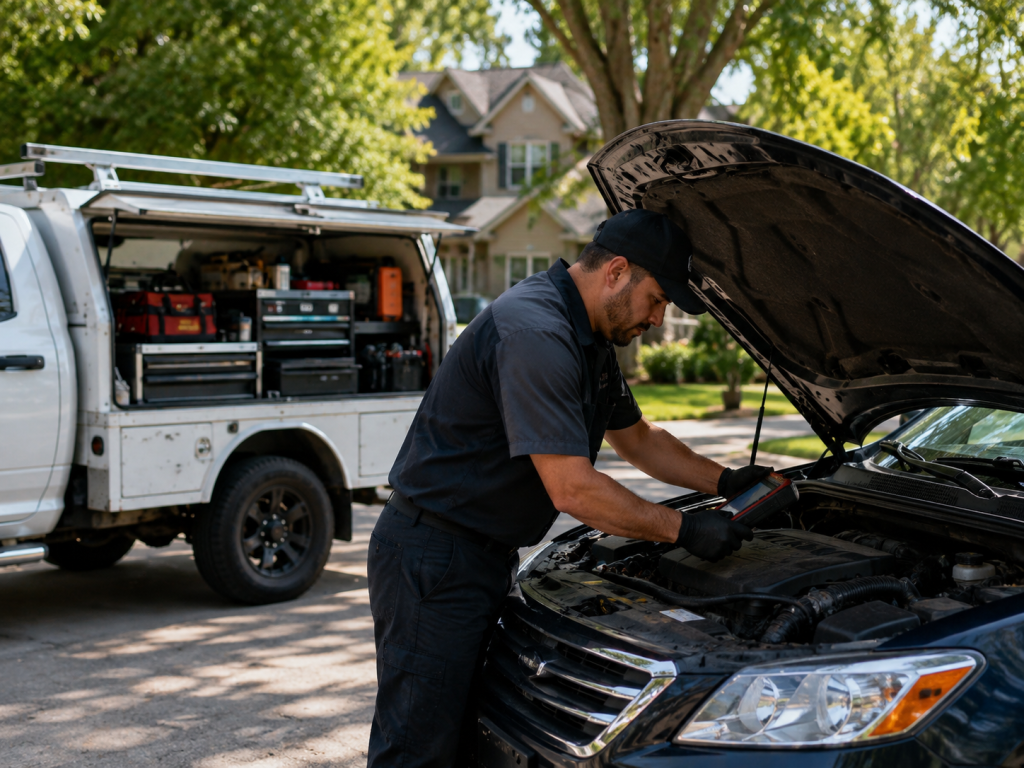
Louisville summers have a particular kind of heaviness to them. It is not just the temperature climbing into the nineties, it is the humidity that sits over the Ohio Valley for weeks at a stretch, making the air feel even hotter than the thermometer suggests. That combination of heat and humidity is genuinely tough on a vehicle’s cooling system, and every summer, Louisville mechanics see a predictable spike in overheating related breakdowns that could have been caught with a bit of earlier attention.
Why Humidity Makes Louisville Summers Especially Hard On Cooling Systems
Your cooling system relies on airflow moving across the radiator to help dissipate heat pulled away from the engine by coolant circulating through the system. In dry heat, this process works reasonably efficiently even at high temperatures, since dry air is better at absorbing and carrying away heat compared to humid air. Louisville’s thick summer humidity reduces this efficiency somewhat, meaning your cooling system has to work a bit harder to achieve the same cooling effect it would manage more easily in a drier climate at the same temperature.
This effect becomes especially pronounced during stop and go traffic on routes like I 64 or I 65 through downtown, where reduced airflow at low speeds combines with humid heat to create conditions that push cooling systems closer to their limits than a steady highway drive would. A cooling system that is already a bit weak, whether from low coolant, an aging water pump, or a radiator that needs cleaning, is far more likely to reveal that weakness during a humid Louisville rush hour than during a mild spring drive.
The Warning Signs Worth Watching For
A rising temperature gauge is the most obvious sign of cooling system strain, and it is worth paying attention to even small increases rather than waiting until the gauge reaches the red zone. Steam or an unusual smell coming from under the hood, particularly a sweet smell that can indicate a coolant leak, should never be ignored, since this often signals a developing problem before a full breakdown occurs.
A heater that blows cool air even when set to warm can actually be an early cooling system indicator as well, since this sometimes points to low coolant levels or air trapped in the system. Fluctuating temperature gauge readings, rather than a steady rise, can indicate an intermittent issue like a failing thermostat or a small air pocket in the cooling system that has not yet caused a full failure but is worth having checked before a hot afternoon turns it into one.
Common Cooling System Failures Louisville Mechanics See Most
Coolant leaks are among the most frequent culprits, often developing at hose connections, the radiator itself, or the water pump over time as rubber seals age and gaskets wear down. A slow leak might not cause an immediate problem, but as coolant levels drop gradually, the system’s ability to manage heat during a genuinely hot, humid day diminishes right along with it.
A failing thermostat is another common issue, since a thermostat stuck in the closed position prevents coolant from circulating properly, allowing the engine to overheat quickly even if every other cooling system component is in good condition. Radiators that have accumulated debris or internal buildup over years of use also lose efficiency, reducing their ability to dissipate heat effectively precisely when Louisville’s summer conditions are asking the most of them.
Water pump failures tend to develop gradually before they fail completely, sometimes showing early signs like a whining noise or minor coolant seepage around the pump housing. Catching this kind of gradual failure during a routine inspection is far preferable to discovering it through a sudden loss of coolant circulation on the highway during a ninety degree afternoon.
Why Catching These Issues Early Matters So Much
An engine that overheats even briefly can suffer damage that goes well beyond the cooling system itself, potentially warping a cylinder head or damaging a head gasket if the situation is not addressed quickly. What might have been a simple coolant top off or a routine thermostat replacement can turn into a significantly more expensive engine repair if a driver continues operating the vehicle after the temperature gauge has already climbed into dangerous territory.
Beyond the mechanical cost, an overheating breakdown in Louisville’s summer heat is genuinely unpleasant and potentially unsafe, particularly if it happens on a busy stretch of highway during peak temperature hours in the afternoon. If your vehicle has ever struggled to start after sitting in extreme heat, our guide on the top 10 reasons your car won’t start and how to get back on the road covers several causes that can be related to heat stress on various vehicle systems, including cooling related issues.
Simple Habits That Help Louisville Drivers Stay Ahead Of Summer Heat
Checking coolant levels before the peak of summer arrives, rather than after the first hot week has already passed, gives you time to address a low level or a developing leak before conditions become truly demanding. Having your radiator flushed and refilled according to your manufacturer’s recommended schedule helps maintain the coolant’s ability to transfer heat effectively, since old coolant gradually loses some of its protective and heat management properties over time.
Inspecting belts and hoses for cracking or softness, both of which can indicate age related deterioration that increases the risk of a sudden failure, is worth doing before the hottest months rather than during them. A quick check of your radiator fan operation, confirming it kicks on appropriately when the engine reaches operating temperature, can also catch a developing electrical or mechanical issue before it becomes a full cooling system failure.
Why A Mobile Mechanic Makes Sense For Summer Cooling System Checks
Given how uncomfortable it is to deal with car trouble during a hot, humid Louisville afternoon, having a technician come to your home or office to check your cooling system before summer fully arrives saves you from dealing with a breakdown at the worst possible time. A mobile mechanic can inspect coolant levels, hoses, belts, and other cooling system components right where your vehicle is parked, without requiring a trip to a shop during the very heat that makes cooling system problems more likely in the first place.
We covered the broader benefits of this approach in our article on why mobile mechanics are better than traditional auto shops in Louisville, which explains how convenience and proactive service come together, particularly valuable heading into another humid Kentucky summer.
Get Ahead Of Overheating Before The Heat Peaks
Louisville’s combination of heat and humidity puts real strain on cooling systems every single summer, and the drivers who avoid a roadside breakdown are almost always the ones who caught a small issue early rather than waiting for a dashboard warning to force the issue. A little attention now, before the hottest stretch of the season arrives, can save you from a stressful afternoon stranded on the shoulder.
If it has been a while since your cooling system was inspected, visit our homepage to learn more about our services, or reach out through our contact us page to schedule a visit at your home or office before the next heat wave rolls through.
Staying ahead of cooling system wear is one of the simplest ways to keep your summer drives in Louisville stress free rather than spent waiting on the side of the road.